Available courses

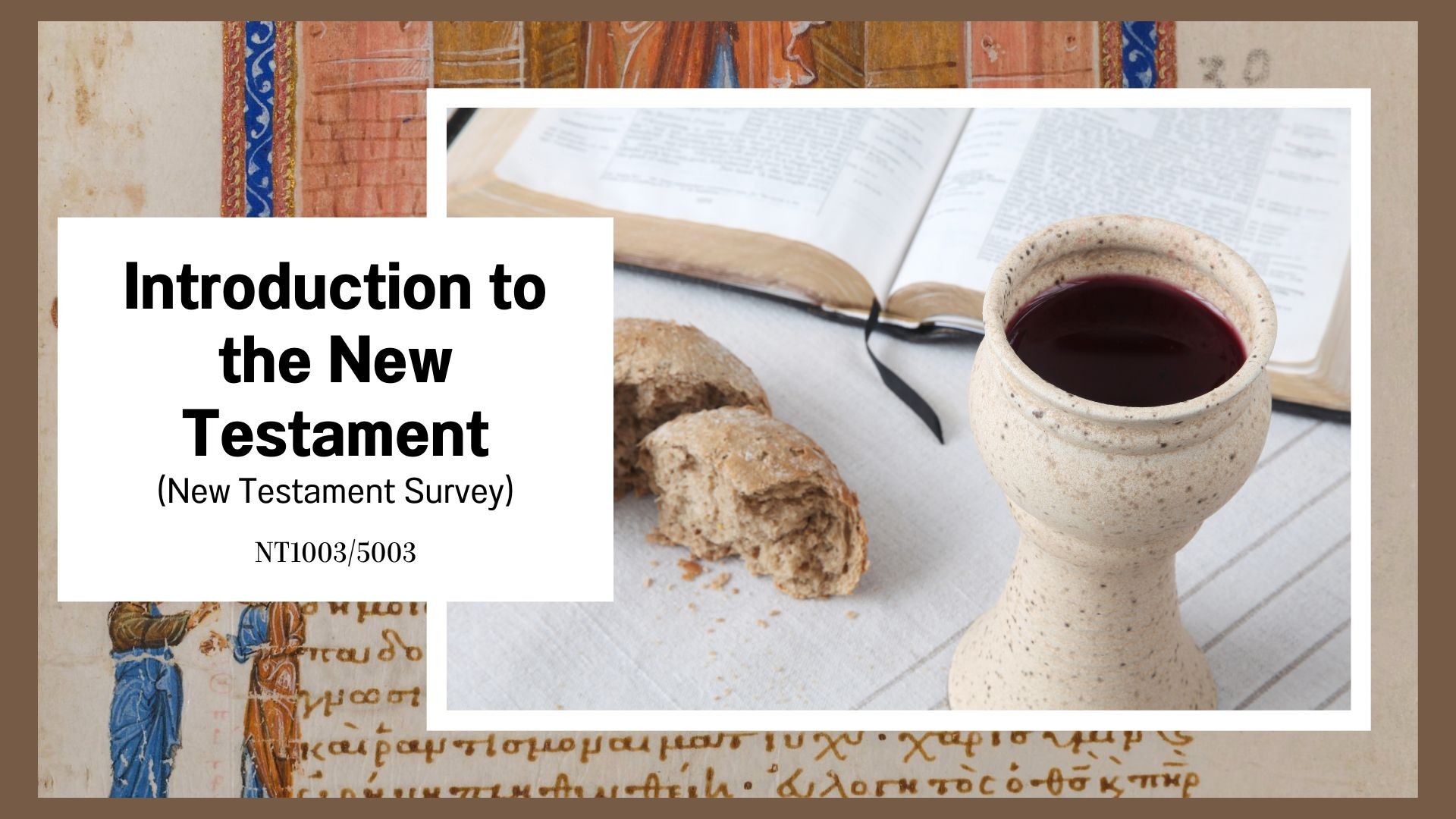
An introductory study of New Testament (NT) literature in its socio-historical, literary, and canonical contexts. Students will become acquainted with NT criticism, first-century works, and selected themes of biblical theology to better equip them with faithful hermeneutics for gospel ministry.

《宗教与异端》探讨我国主要宗教、当代新兴宗教运动及具影响力的异端团体之信仰、实践、世界观与历史发展,并关注亚洲与我国的宗教处境。课程从圣经与历史基督教正统信仰的角度,比较其对上帝、人类、罪、救恩、基督及终极现实的理解。学生将学习辨识不同宗教的核心信念与世界观,分析其与基督教信仰的异同,并评估其对信仰、教会与事奉的影响。课程强调护教学与牧养的整合,装备学生以圣经真理回应其他宗教与“别的福音”的挑战。

本课程旨在装备未来基督教领袖,以神学分辨力、文化与宣教敏感度及对福音的坚定信心,面对多元宗教处境,并以真理、恩慈与智慧作出合宜的基督徒见证。

释经学乃一门解释圣经的艺术。本课程将着重于新约主要文体的释经原则与方法,并强调如何把释经的结果应用在现今的世代。同时,本课程亦会发掘释经学之重要性,以及综览释经学的发展史。

释经学乃一门解释圣经的艺术。本课程将着重于旧约主要文体的释经原则与方法,并强调如何把释经的结果应用在现今的世代。同时,本课程亦会发掘释经学之重要性,以及综览释经学的发展史。

《马可福音》被归类为符类福音,也是福音书中最短的一卷书。其内容节奏的紧凑性和其神学思想,往往让读者更深的体会“神的儿子,耶稣基督福音的起头。”本课程将透过研究马可福音的背景、结构、文学特色等课题,进一步探讨其信息及其神学思想。

以西结属于犹大被掳时期的先知,其信息对当时代的犹太人充满意义的。同时,其信息亦指向新约的应许,对今天信徒亦充满提醒和盼望。本课程将剖析以西结书的内容、信息和神学思想,亦介绍近代对以西结书研究的不同进路。

This course explores theological issues which form the basis for a Christian understanding of the counseling process and issues brought up in sessions.  Areas examined include the nature of human beings, dynamics of change, issues of growth, suffering, and spirituality. Students will thus develop some theological grounding for dealing with clients and oneself in the counseling practice.

This course offers a comprehensive study of the Gospel of Luke with special attention to its theological themes, narrative structure, historical background, and unique contribution to the New Testament canon. The study integrates exegetical methods, theological reflection, and practical application for ministry. Students will engage in critical interpretation of Luke’s Gospel while also nurturing their own spiritual formation and ethical discernment.

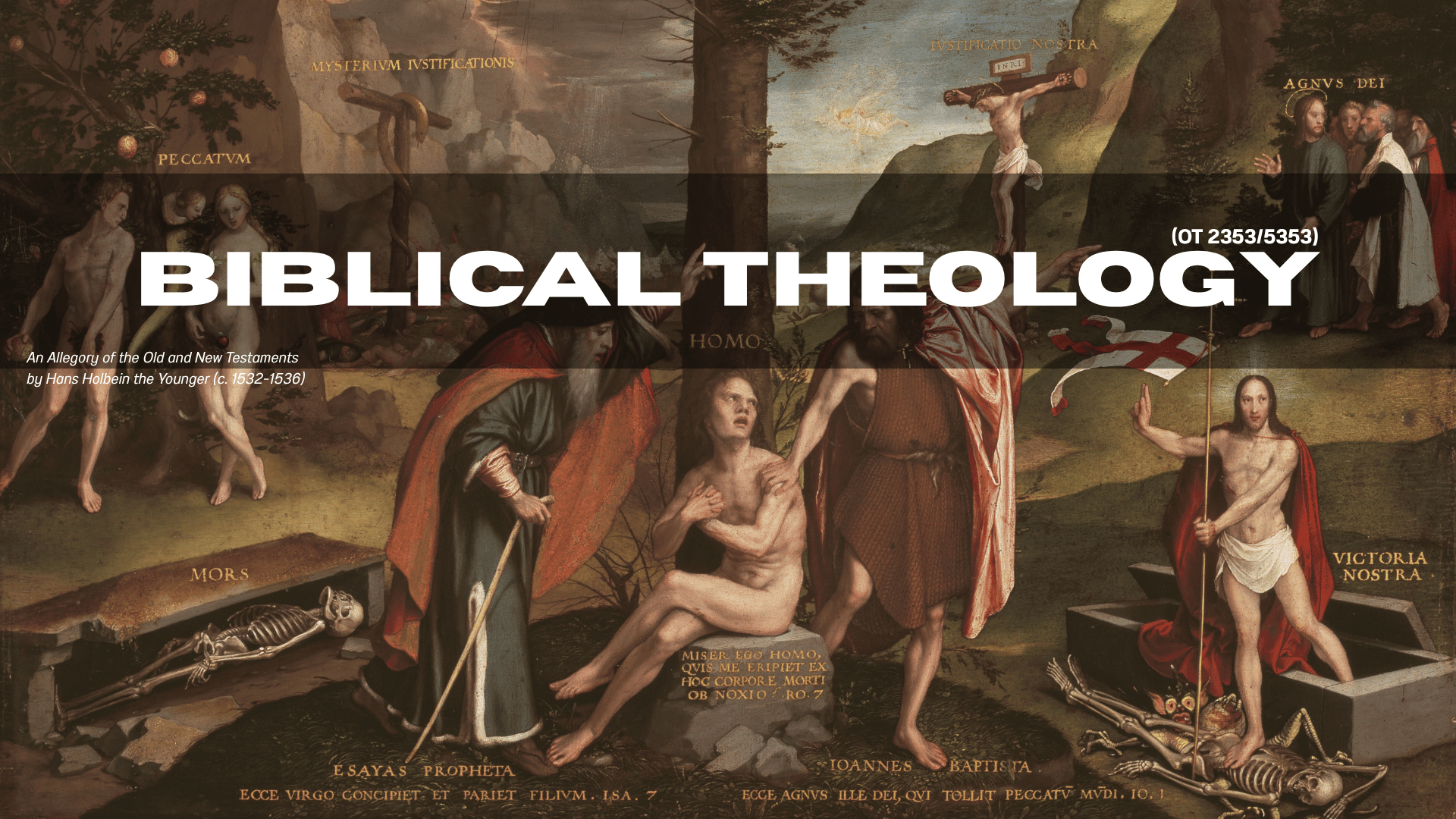
This course introduces students to the discipline of biblical theology (BT) and its significance for interpreting Scripture as a unified canonical whole. Emphasis is placed on the Bible’s overarching redemptive storyline, the relationship of BT to exegesis and systematic theology, the development of major biblical themes, and the application of a BT approach to the reading and interpretation of biblical texts.

This course gives an overview of the contents of the Old Testament. The general background, principal themes, outstanding features, and the message of each book as well as its relation to the other books of the Old Testament will be studied.

An introductory study of the literature of the New Testament in its socio-historical, literary, and canonical contexts. Students will become acquainted with New Testament criticism, first-century works, and selected themes of biblical theology to be better equipped with faithful hermeneutics for gospel ministry.

In this course, we will study two key areas of theology: Ecclesiology and Eschatology. Our study of Ecclesiology, the doctrine of the Church, will examine the Church's nature, purpose, roles, government, and sacraments. Our study of Eschatology, the doctrine of the Last Things, will explore topics including the afterlife, the Second Coming of Christ, the Tribulation, the Millennium, the final judgment, heaven, and hell.

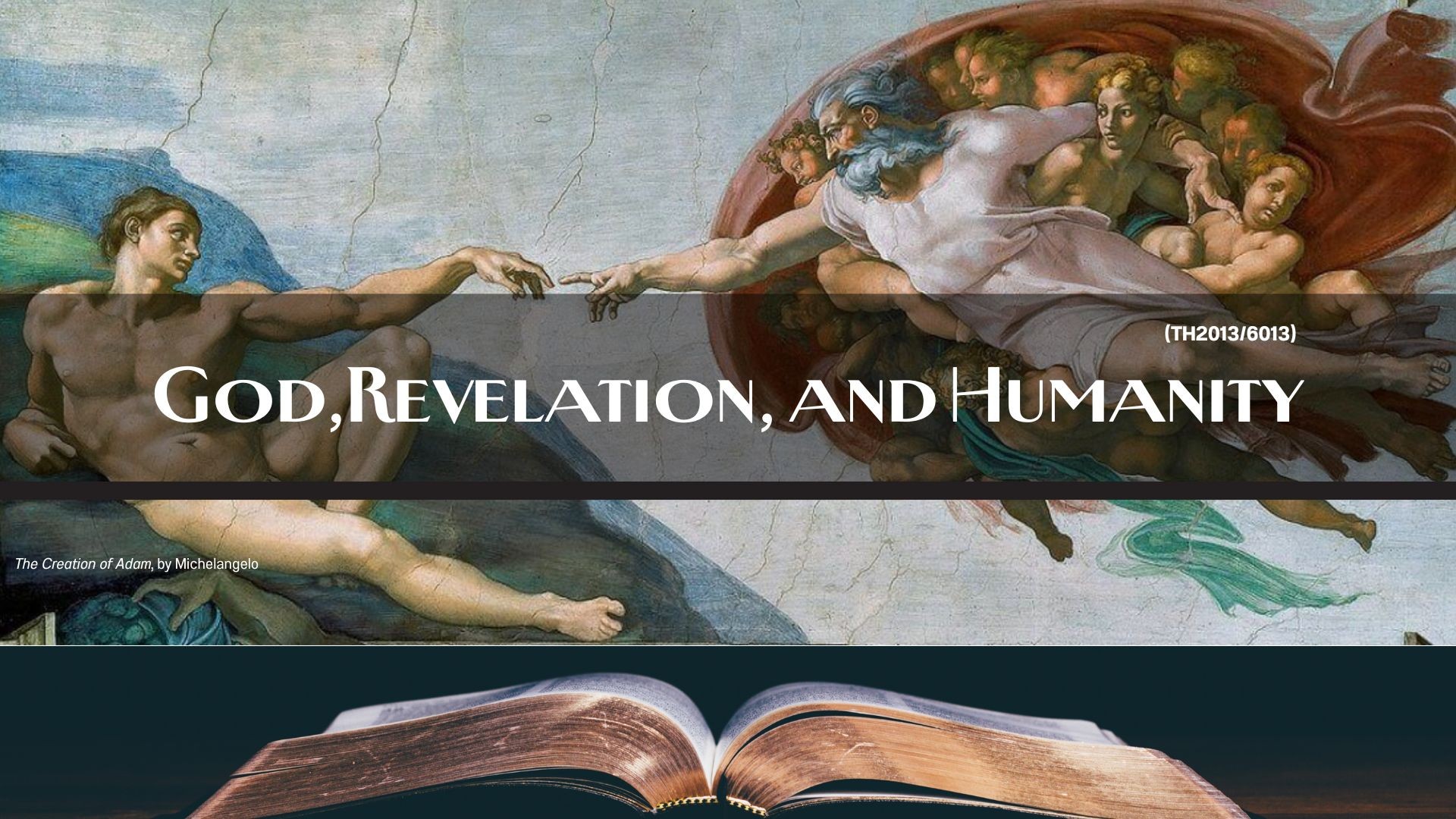
This course offers a systematic study of the doctrines of Scripture, God, and humanity. Students will engage Scripture and theological traditions through critical reflection, exploring historical and contemporary debates and their significance for worship, ministry, and current challenges.

This course examines the Holy Spirit from a Pentecostal perspective, covering the Spirit's biblical role, historical developments, and topics like Spirit baptism, spiritual gifts, and mission empowerment. Students will explore Pentecostal movement origins, especially within the Assemblies of God, and develop skills to articulate Spirit-empowered theology in ministry.

This course systematically presents the person and works of Jesus Christ (Christology) and the doctrine of Salvation (Soteriology) from biblical and historical perspectives. Attention will be given to the biblical foundations, historical developments, major controversies, and contemporary issues related to Christology and Soteriology. Students will gain a deeper understanding of who Jesus is and what He has accomplished, as well as the implications of salvation for the church, mission, and Christian life.

This course provides an advanced examination of the historical development, theological foundations, and global impact of the Pentecostal movement. Students will engage with the origins of Pentecostalism from the early 20th-century revivalist tradition, trace the evolution of its core pneumatological doctrines, and analyse how these beliefs translate into contemporary missional practice. The course emphasises the tension between Pentecostalism’s radical beginnings and its institutionalisation, as well as the challenges of contextualizing the movement across diverse global cultures. It will also provide a focused study on the contextual Pentecostalism in Malaysia from the classical formative period to contemporary.

The course explores church health as a vital key for church development. It examines Scriptural foundation and expert perspectives; studies church health characteristics and models of analysis; and probes into the effect of church culture, history, structure, and leadership on the health of a church.

This course introduces students to key facets of Christian spiritual formation with a specific focus on cultivating a sustainable life with God and Christlike ethical character in a Pentecostal context. Attention is given to biblical and theological foundations, historic and Pentecostal spiritual disciplines, emotional maturity, and ethical discernment, helping students develop a personal rule of life that supports lifelong discipleship and ministry.

This course continues to introduce Biblical Hebrew—focusing on orthography (binyanim), phonology, morphology, syntax, grammar, and vocabulary—with increased emphasis on reading. Through lectures and assignments, students develop skills to read, study, interpret, and teach the Hebrew Bible with accuracy and spiritual insight.

This course offers an introduction to Classical (Biblical) Hebrew, the language of the Old Testament. It is designed to familiarize students with the foundational elements of Hebrew orthography, phonology, morphology, and syntax. Emphasis will be placed on mastering the fundamentals of Hebrew grammar and building a foundational vocabulary.

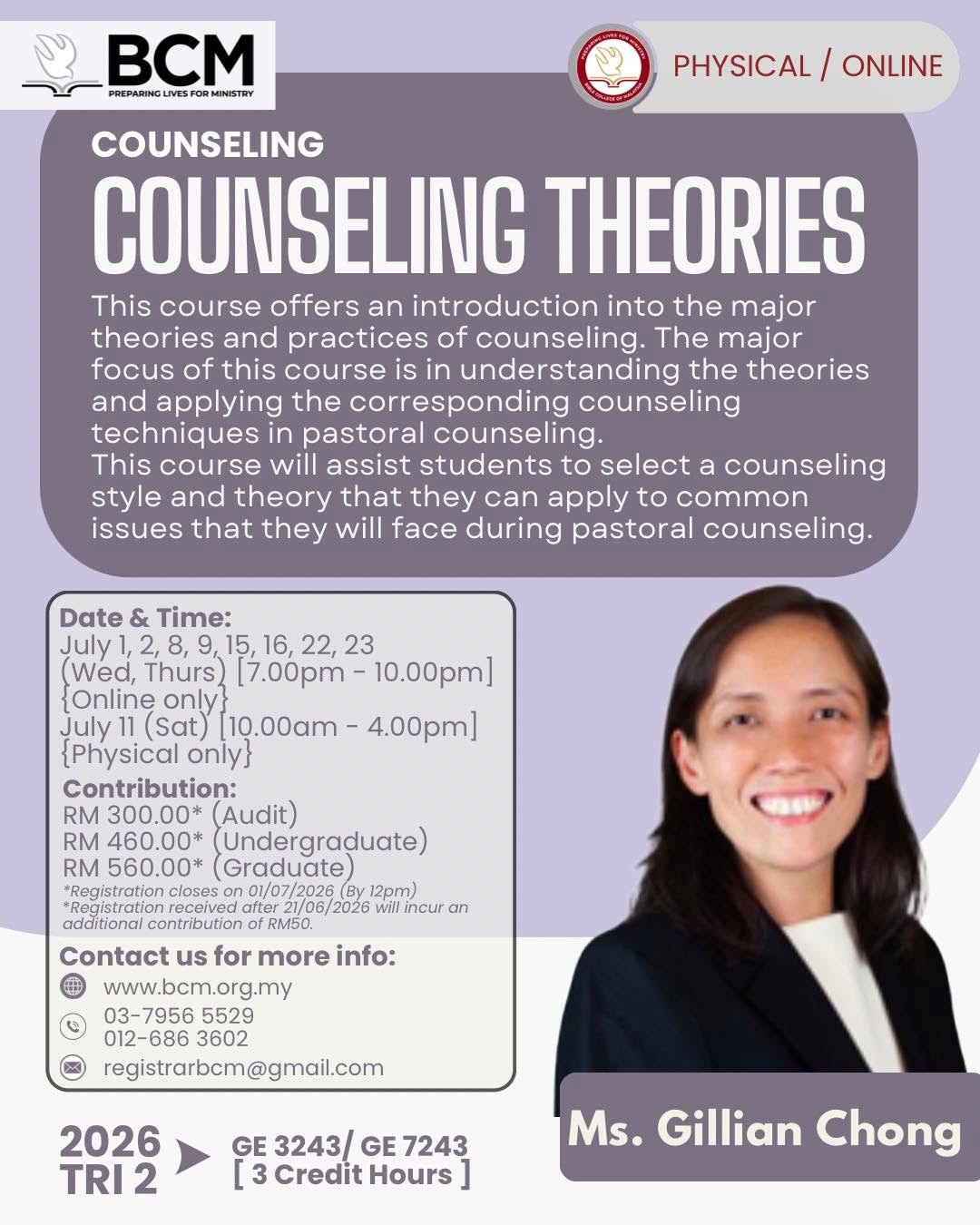
This course offers an introduction into the major theories and practices of counselling. The major focus of this course is in understanding the theories and applying the corresponding counselling techniques in pastoral counselling. This course will assist students to select a counselling style and theory that they can apply to common issues that they will face during pastoral counselling. 

This course explores the experience of grief and loss, helping participants
understand its emotional, physical and psychological impact. Grounded in a
Christian perspective, it offers biblical insights into suffering, hope and
healing, while equipping learners with practical skills to support grieving
individuals and children with compassion, wisdom and faith

《宗教与异端》探讨我国主要宗教、当代新兴宗教运动及具影响力的异端团体之信仰、实践、世界观与历史发展,并关注亚洲与我国的宗教处境。课程从圣经与历史基督教正统信仰的角度,比较其对上帝、人类、罪、救恩、基督及终极现实的理解。学生将学习辨识不同宗教的核心信念与世界观,分析其与基督教信仰的异同,并评估其对信仰、教会与事奉的影响。课程强调护教学与牧养的整合,装备学生以圣经真理回应其他宗教与“别的福音”的挑战。

本课程旨在装备未来基督教领袖,以神学分辨力、文化与宣教敏感度及对福音的坚定信心,面对多元宗教处境,并以真理、恩慈与智慧作出合宜的基督徒见证。

新约圣经是以希腊文写成的,而信徒努力地把希腊文翻译成各种不同语言的圣经译本,为的是确保各地的信徒都能够掌握住上帝的话语。惟译本仍然无法超越翻译的限制,若能直接以圣经希腊文阅读新约,则能更清楚地捕捉其内容。因此,本科旨在提供学生对新约希腊文的基本认识,并提升使用相关释经资料的能力,以预备将来进深学习新约希腊文。